
Black diamond trails are among the most challenging ski runs. They can be both thrilling and difficult. These runs can be narrower and require more precise turns. They can also present more hazards. Black diamonds can be challenging for experienced skiers. For beginners, you might want to stick to other ski runs in the area.
Black diamond trails might include moguls and steep slopes as well as fast turns. Some resorts even have names that refer to these features. For example, the Humpty Dumpty Carriage Road Trail at Mohonk Preserve near Kerhonkson, New York, features a 52-foot black diamond climb.
There are many black diamond trails for everyone, no matter if you're a beginner or an experienced pro. The first step in finding the right black diamond trail is to assess your skill level. Beginners should seek out easy-to access trails that have easy terrain and are easy to follow. For the more experienced, try the technical, challenging descents.

Black diamond trails generally average 40 to 50% grade. Black diamond trails can be more difficult than other runs, but aren't as dangerous as a black-circle slope. They are also more difficult and time-consuming to groom. These black diamond runs can be very difficult to groom and are often not accessible for snowcats.
There are many Colorado black diamond trails, but the Doctor Park is the most well-known. This popular downhill course is located at the border of Rocky Mountain National Park and offers many challenging features. You will find elevated wooden bridges, rocks to fall down and steep, rocky descents.
The Black Hole is another well-known black diamond trail. It consists of steep slopes and wooded sections. This trail is avalanche-prone, so only those with avalanche equipment should try it. The Black Hole is one of Northeast's most challenging and enjoyable triple black diamond trails. You can also enjoy a wall ride at the end for an incredible thrill.
You can also choose from intermediate and beginner trails in addition to the many black diamond trails. These trails include easy hill climbs, curvy sections, or smooth terrain. Terrain parks, which are designed for fun and challenge, can also be found.
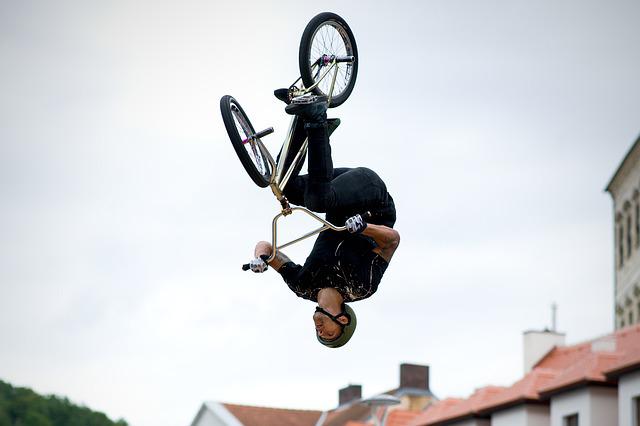
Singletracks offers a variety of trails that are suitable for all levels, from beginners to experts. You can filter your search by difficulty level to view all the challenging trails within your state. If you're an experienced rider, you can use the advanced filter to search for trails that are geared toward more experienced riders.
Singletracks members have rated trails in the database for over 18 years. This means that they have a thorough understanding of the difficulty of the trails and can tell you which trails are most challenging.
FAQ
Do extreme sports need expensive equipment
Yes. Extreme sports equipment can run into the thousands. But people who participate in these activities don't need much money.
Who is the one who participates in the extreme?
Extreme sport is open to everyone, regardless of age or ability. Extreme sport is equally appealing to children as for adults.
You can play tag and dodgeball with your younger siblings. Older kids can join teams and compete against others.
Adults can participate in individual sports or team sports. There are many options to choose a team.
You will likely need to ask someone familiar with the process to help you start.
How does the sport of parasailing differ from parachuting?
Para-gliding refers to flying above the ground using an attached harness and small sail. This harness allows you fly. It protects you from falling through the air.
Flying is easy with no equipment. Attach yourself to the sail. You then take off. The sail will be pushed against the wind as you ascend in altitude. This forces the sail to lift you.
As you glide along, your momentum keeps you moving forward. Your momentum will propel you forward until the cable ends. At that point, you release your grip and fall back to earth.
Reattach your sails when you're ready for a new start.
Parasailing is a rapidly growing sport. More than 1 million people participated in parasailing in 2013. That's almost double the number who did so in 2008.
Statistics
- Since 1998, overall participation has grown nearly 25% - from 5.2 million in 1998 to 6.5 million in 2004. (momsteam.com)
- Based on the degree of difficulty, the routine is scored on form and technique (50 percent), takeoff and height (20 percent), and landing (30 percent). (britannica.com)
- Nearly 98% of all "frequent" roller hockey participants (those who play 25+ days/year) are male. (momsteam.com)
- Nearly 40% of all mountain bikers have at least graduated from college. (momsteam.com)
- Overall participation has grown by more than 60% since 1998 - from 5.9 million in 1998 to 9.6 million in 2004 Artificial Wall Climbing. (momsteam.com)
External Links
How To
Can I learn windsurf by myself?
Yes, you can!
You can learn how to windsurf at any age and from anywhere around the world. You have many options to learn how to windsurf, including online classes, classes, joining a club or finding an instructor. Windsurfing Schools UK can help you find a course in your area.
You must ensure that your body can handle windsurfing. Your body must be able to perform basic movements like walking, running, jumping, climbing stairs, and bending down without pain. If you are overweight, windsurfing will make you sore. Once you know if you are physically ready for windsurfing, the next step is to choose the type and model of equipment. While some people prefer to learn windsurfing with a traditional sailboard or a kiteboard, others prefer to use one. It all depends on the conditions in which you intend to practice.
Once you have chosen the right type of windsurfing equipment, you can get started practicing. You can start slowly, going upwind on flat waters and gradually moving towards the waves. It's best to avoid strong winds when starting out because they could tear apart your sails. Once you are comfortable sailing on flat water you can start to move onto choppy waters. However, before you try windsurfing in rough weather, ensure you know how to rescue yourself if something goes wrong.
You need patience and dedication to learn how windsurfing works. There are many books on the market, but most of them are for beginners. These are some helpful tips to help you get started with windsurfing.
-
Hire a professional teacher. Ask around for recommendations. Instructors are usually charged a fee.
-
Learn how to read a map - Before heading out on your first lesson, study a topographical map of the area you intend to visit. This will help you identify safe places to practice windsurfing.
-
Select the right equipment – When buying windsurfing equipment, make sure you are choosing high-quality materials. Be sure to only buy from reliable manufacturers. Also, make sure to check the warranty.
-
Take care when you are windsurfing. You should also be aware of other boats, swimmers and rocks. Always wear a life jacket when windsurfing.
-
Have fun – Windsurfing can be fun.